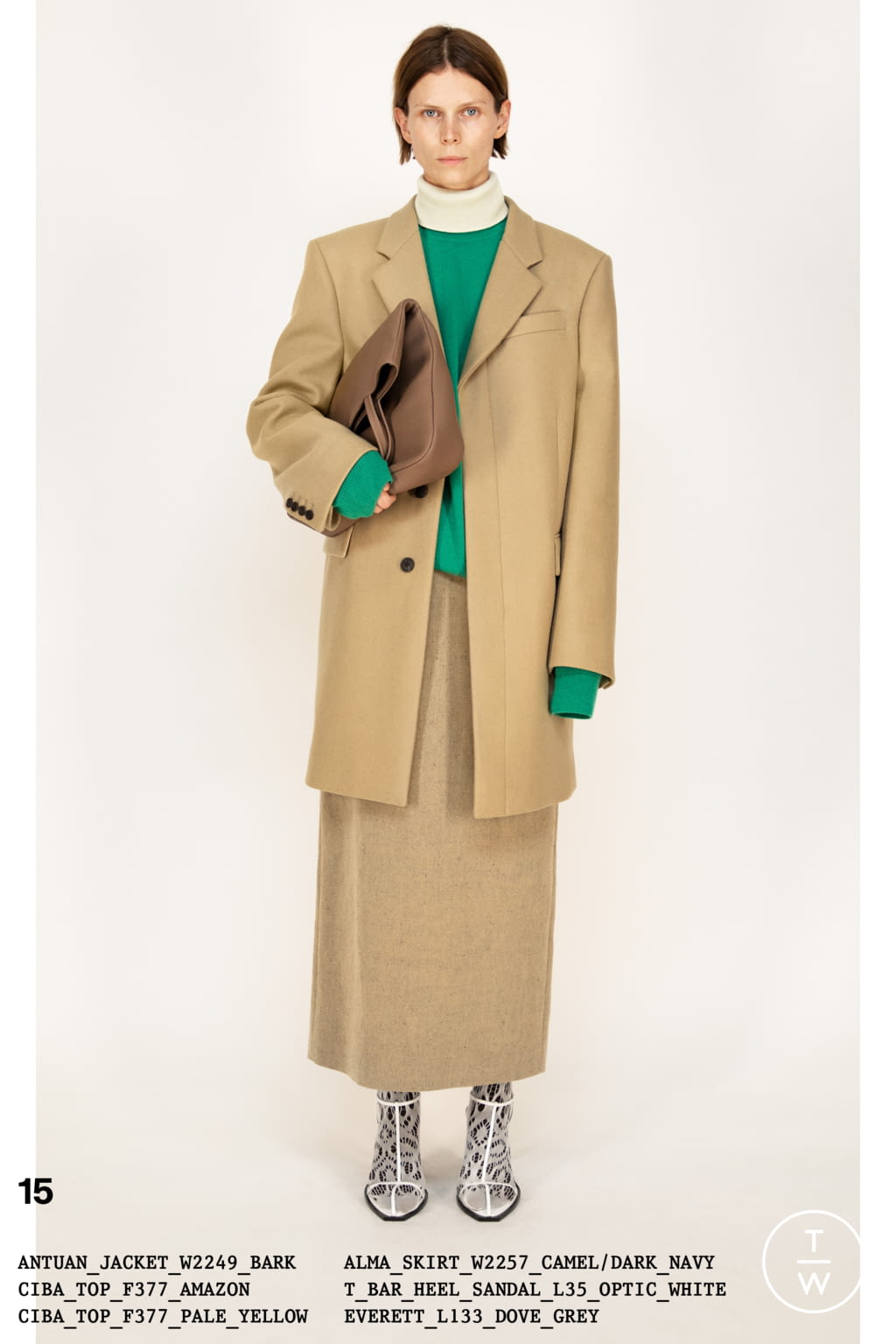
Maintaining Your Own The Row Bag: Upkeep Advice for Lasting Durability
Having a piece from The Row is less about chasing what’s fashionable and instead about committing to an object that should last far longer than any trend. The Row fashion has built its reputation on restraint, precision tailoring of leather, and materials that reward patience. If you own a Margaux, a soft tote, or one of the label’s smaller top-handle styles, the way you store, clean, and handle the bag each day determines whether it looks pristine after five years or worn down after five months. This guide goes over practical, non-invented maintenance steps that apply across the row bags lineup, with particular focus to leather care, storage conditions, and the realities of resale value.
The Materials Behind Row Handbags: What You Should Know
The Row uses a tightly curated palette of high-grade leathers, often vegetable-tanned or semi-aniline finished, which means the surface is more porous and reactive to oils, water, and sunlight compared to heavily coated commercial leathers. This is a purposeful choice: it’s the reason behind row handbags its soft hand-feel and how they shape themselves to the body over time. But this absorbent material also takes in whatever it touches, including hand lotion, perfume, and rain. Suede and nubuck versions, which occasionally appear across row bags overview releases, are especially prone to water spotting and need a separate care routine compared to smooth calfskin.
Metal fittings on most The Row bags is finished in matte gold or silver tones rather than high-shine plating, which holds up against scuffs but can become lackluster if exposed to harsh cleaning the row bag agents. Straps and handles, particularly on the Margaux and comparable top row bags, are often the first point of wear because they pick up hand oils and friction every day. Knowing the specific leather type of your bag — information usually noted on the care card or receipt at purchase — should inform each following cleaning decision rather than relying on generic leather-care products.
Everyday Habits That Guard Against Damage
Little routines accumulate over years of use. Setting a bag down on uneven surfaces like pavement, bar tops, or car seats creates micro-scratches and deposits dirt into the grain before you’ve even noticed. Always place the row bag on a gentle surface, or use the dust bag it was packaged in as a barrier when placing it against unfamiliar textures. Avoid overloading interior pockets past their intended capacity, since stretched seams and warped bases are among the most frequent structural complaints with soft-structure totes.
Rotate straps over the same shoulder over and over and you’ll spot asymmetrical creasing form more quickly on one side. Varying which side carries the weight, and now and then carrying the bag by its top handle as an alternative, distributes stress more evenly across the stitched areas. Place keys, pens, and anything with sharp edges in a designated pouch — even one nick from an unprotected keyring against supple lambskin is irreversible. If you wear rings or bracelets, stay careful when holding handles, as jewelry is a common, preventable cause of surface scoring on the row bags most owners are sorry about losing pristine condition on within the first year.
Care and Conditioning Timelines
For smooth leather styles, a gentle wipe with a dry microfiber cloth after each use clears surface dust before it settles into the grain. Every four to six weeks, depending on climate humidity, apply a modest amount of leather conditioner formulated for fine, unfinished leathers — try it out on an discreet interior seam first, since some conditioners deepen the tone of lighter tones like ecru or sand. In damp climates, conditioning less often but keeping watch for mold along interior seams is of greater importance than sticking to a strict schedule.
Suede or nubuck pieces should not ever be treated with oil-based formulas; rather, use a suede brush in one direction to lift dirt and a specialized suede eraser for minor stains. Contact with water on any of these materials should be dealt with without delay by blotting — not rubbing — with a clean, absorbent cloth, then air drying away from sunlight or direct heat. Avoid using a hairdryer or place a damp bag near a radiator, as quick drying causes leather to crack at stress points, especially around handle attachments.
- Clean smooth leather with a dry microfiber cloth after each trip out.
- Condition smooth leathers on a four-to-six-week cycle, testing product on a inconspicuous seam first.
- Sweep suede weekly in one direction; steer clear of all liquid conditioners on suede.
- Blot water spots without delay; air dry away from heat sources.
- Store hardware-side up to avoid metal imprinting on leather during long-term storage.
What Storage Conditions Truly Matter
Fluctuating climate conditions cause greater long-term harm across ten years than daily use. Optimal keeping conditions range from 60-75°F alongside balanced humidity around 40-50%; anything drier causes leather to become brittle, while surplus humidity can lead to mold forming, particularly especially inside totes with a rigid shape and little airflow. Pack the interior with acid-free tissue or the factory-provided inserts to help it hold its shape rather than collapsing at the base, a common issue with the more relaxed, unstructured shapes The Row is known for.
Store each bag in its dust bag, then upright in a cool closet rather than piling it flat under other belongings, which puts uneven pressure on the leather and hardware. Position bags out of reach of direct sunlight coming through windows, since UV exposure fades leather unevenly within months, especially on lighter shades. If several row handbags are part of your collection, rotate them seasonally instead of letting one piece sit unused for more than a year — leather genuinely responds well to soft, consistent flexing, helping the material avoid stiffening over time.
Knowing When You Need a Professional, Plus Mending Work and Reselling
It’s not always possible to fix yourself each issue that comes up. A everyday cobbler isn’t the ideal choice for loose seams, detached fittings, or pronounced structural creasing at the base—these call for a professional leather restorer that understands high-end items thoroughly. Given that The Row lacks the kind of expansive global repair network that a number of heritage houses keep running, look for specialists experienced with unlined luxury leather items—and be sure to request a consultation before committing to any re-dyeing or refinishing work, as it may shift the piece’s resale worth.
When it comes to the secondary market, properly-cared-for row bags pull in considerably more attractive prices on the secondary market than pieces with noticeable wear-and-tear, cracked handles, or water marks. Those searching out a row sale or scanning resale platforms usually examine corners, base wear, and interior lining condition thoroughly before committing to a purchase. The original dust bags, receipts, and authenticity cards as well bring noticeable value, so keep hold of these items right from the start instead of tossing it out once you’ve bought the bag.
An Overview of Fan-Favorite The Row Bag Styles plus How to Care for Them
Different silhouettes demand different levels of attention depending on structure, material, and how they’re carried day to day. The table below offers a general comparison across some of the most searched styles, useful whether you’re deciding where to buy the row margaux bag or comparing it against a tote for daily rotation.
| Silhouette | Usual Leather Type | Principal Wear Points | Suggested Care Frequency |
|---|---|---|---|
| Margaux | Sleek calfskin | Grips, corner base points | Moisturize every 4-6 weeks |
| The Row Tote Bag | Supple grained leather | Base, inside seam lines | Treat every 6-8 weeks |
| Top-Handle Mini | Suede or smooth-grain leather | Grip zone on the handle | Dust off daily, condition monthly |
| Slouchy Shoulder Styles | Softer, unlined leather | Strap anchor areas | Inspect stitching monthly |
Throughout the broader comparison of Row bag types available across the web, this comparison leaves some gaps, yet it shows the recurring theme: rigid, structured bases call for corner-focused care, whereas softer, unlined designs require more regular seam checks at friction-prone points. The real distinction between a bag that holds up and one that doesn’t comes down to tailoring maintenance to how the bag is built, not applying the same blanket method to everything.
Concluding Notes on Owning a Bag for the Long Haul
Obsessive babying isn’t what caring for a luxury bag requires—what matters most is staying consistent. Wiping it down for a few minutes, storing it with care, and conditioning it periodically builds toward many more years of use for pieces that were never cheap in the first place. Regardless of whether you’re curating a modest collection of top Row pieces or simply caring for one cherished tote, the core idea remains unchanged: protect the leather from extremes, handle it gently, and deal with small flaws before they escalate into bigger ones. Done consistently, these habits keep both the aesthetic and resale value of your row handbags intact for years beyond the initial purchase.