Home Interiors in Downtown Dubai vs Bur Dubai: What Actually Differs
Though Downtown Dubai and Bur Dubai lie a short drive from each other, they give a designer two wholly different briefs. The first is a wall of glass and steel of new towers, branded residences and penthouse views, whereas the latter is among the city’s oldest districts, woven from heritage buildings, mid-rise apartments and long-established communities. Choosing a designer, a budget and a style hinges heavily on which of these two versions of Dubai you are decorating. Here we map out what really changes between the districts in 2026, spanning price per square foot, permits, building rules and design taste. The aim is not to crown a winner but to help you fit your project to the district it lives in. Use it as a practical comparison, not a ranking, given that the right answer changes with every address.
The two districts side by side
Downtown Dubai is the area around Burj Khalifa and The Dubai Mall, defined by high-rise apartments, serviced residences and a handful of ultra-prime penthouses. Here the interiors skew contemporary, hotel-inspired and finish-driven, as owners frequently compare their homes to the five-star lobbies nearby. Bur Dubai, running along the Creek and taking in Al Fahidi, Mankhool, Oud Metha and Karama, is older, denser and far more mixed. You will find heritage wind-tower houses a few streets from 1990s apartment blocks and newer mid-rise developments. The mix of clients is wider too, from long-term https://www.interiordesignerdubai.org/services/majlis-design/ residents to landlords refreshing rental units and families renovating homes they have held for years. In short, Downtown trades on newness and views, while Bur Dubai rewards character, value and sensitive updates. Identifying which of these two logics governs your address is the first step to a realistic brief.
Aesthetics and client expectations
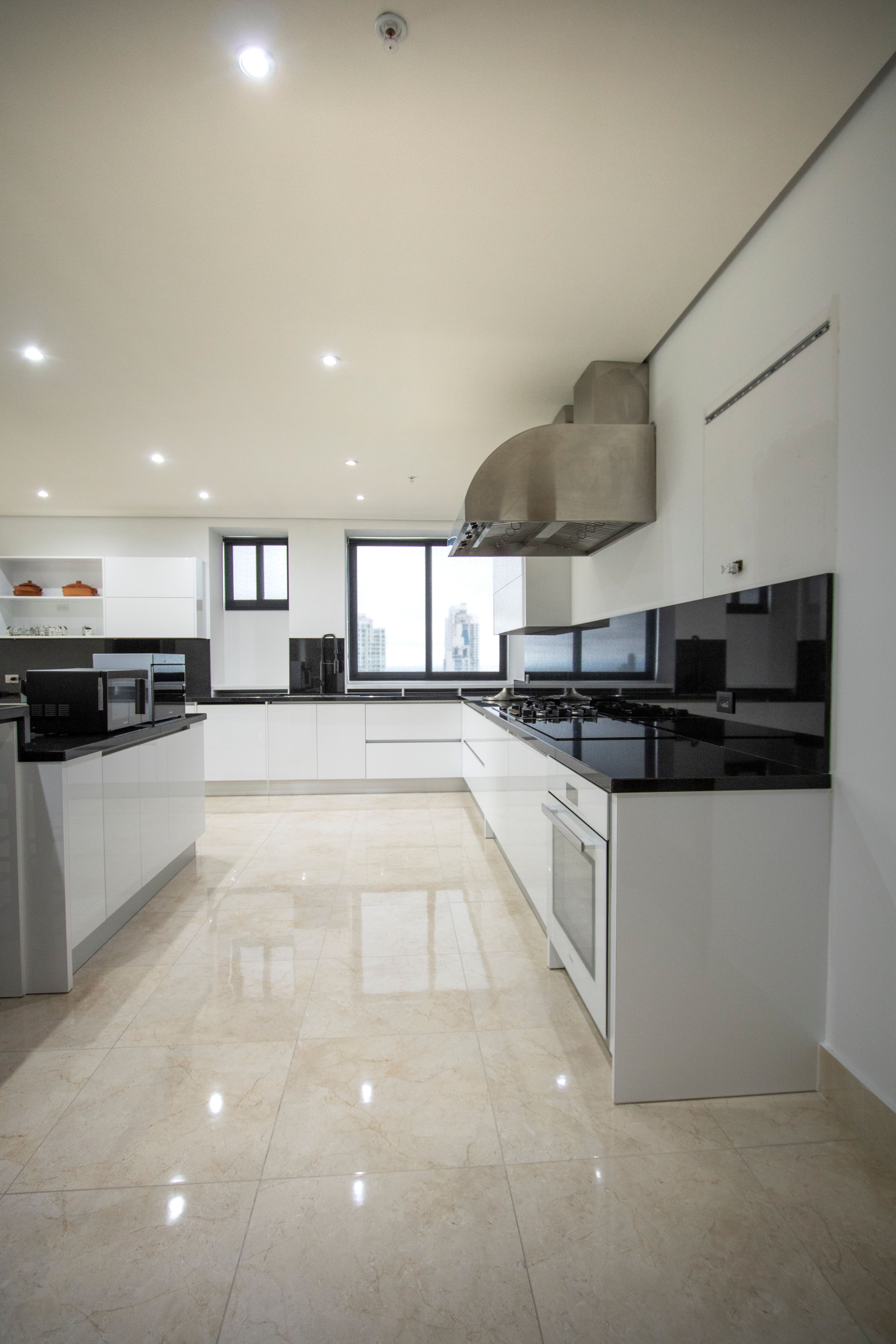
In Downtown, briefs commonly lean into quiet luxury, warm minimalism and smart-home integration, the prevailing residential moods across Dubai in 2026. Open-plan living, full-height glazing and polished surfaces frame the skyline, so designers emphasise lighting design, joinery and statement stone. At the ornate, palace-scale end you find studios such as Luxury Antonovich Design, based in Downtown Dubai, while firms like Muse Design and Zen Interiors deliver more restrained contemporary residential schemes. Bur Dubai projects frequently call for something else: durable, practical interiors that respect older layouts and, at times, heritage constraints. The talk here is usually about reworking compartmentalised rooms, adding storage and updating kitchens and bathrooms without a full structural overhaul. Look for warmer, more eclectic palettes that nod to the district’s past rather than the glossy, gallery-white look so common in the towers. Kitchen and joinery specialists like Venezia Designs and Al Banan Group are frequently brought in for these bespoke updates in either district.
Budgets and the price per square foot
Money is where the two districts differ most clearly. As a 2026 market estimate, mid-range residential fit-out runs roughly AED 200 to 400 per square foot, while luxury apartments and penthouses can reach AED 600 to 1,200 and beyond for the most demanding specifications. Because of premium finishes, imported materials and the expectation of a turnkey result, Downtown projects push toward the upper half of that range. A two-bedroom Downtown apartment of roughly 1,100 to 1,500 square feet might fall anywhere from AED 400,000 to 750,000 at mid level, and easily pass AED 800,000 to 1.8 million when specified as high-end, with every figure a 2026 market range rather than a fixed quote. Renovations in Bur Dubai more commonly fall into the budget-to-standard band of roughly AED 75 to 250 per square foot, especially when the goal is a clean, rentable refresh. Design-only fees across both areas typically run about 10 to 20 percent of the project budget, or AED 175 to 550 per square foot as a standalone service.
Permits, buildings and approvals
Both districts require formal approval before any fit-out begins, but the path differs with the building and its authority. Most of Bur Dubai falls under Dubai Municipality, so renovations there generally follow the standard route of an NOC from the building owner or management, then a fit-out permit, with Dubai Civil Defence involved for fire and life-safety items. Parts of Downtown Dubai sit within master-developer communities, which can add a layer of community approval and stricter contractor accreditation on top of the municipal process. Older buildings in Bur Dubai sometimes hold surprises, such as ageing MEP systems, non-standard layouts or heritage overlays in areas like Al Fahidi that limit external changes. Newer towers in Downtown generally come with clearer, better-documented rules, but they also enforce stricter working hours, material-delivery windows and noise limits. As a 2026 estimate, straightforward approvals commonly take about three to ten working days once paperwork is complete, though community sign-offs can extend that.
Timelines and logistics on site
Beyond permits, the daily reality of running a job shifts between the areas. As a 2026 planning estimate, a mid-size apartment refit generally takes about six to ten weeks of combined design and fit-out, but Downtown’s tower logistics can push that out. A single service lift shared across dozens of units, strict move-in windows and security check-ins all slow material handling in tall buildings. Bur Dubai’s low- and mid-rise stock is usually easier to load into, though narrow older streets, limited parking and tight service cores bring their own friction. Downtown contractors also work around peak footfall near The Dubai Mall, whereas Bur Dubai crews thread through dense, mixed-use blocks with active ground-floor retail. Building these realities into the programme early is what keeps either project on schedule. From day one, fit-out contractors such as USBC Interiors and MGM Interiors plan mobilisation, deliveries and snagging around these constraints.
Downtown Dubai vs Bur Dubai: side by side
The table below distils the main contrasts into a single view for quick scanning. Use it as a starting filter rather than a strict rulebook, since individual buildings vary widely. The prices are 2026 market estimates and change with specification, materials and timing. The comparison assumes a standard residential project rather than a commercial or hospitality fit-out. Both columns describe tendencies, not guarantees, so always verify specifics for your exact address. Regard the heritage and community notes as the items most likely to shape your programme.
| Aspect | Downtown Dubai | Bur Dubai |
|---|---|---|
| Usual property | New high-rise apartments, penthouses, branded residences | Mid-rise apartments, older blocks, heritage-adjacent homes |
| Leading style | Contemporary quiet luxury with a hotel-inspired feel | Practical, warmer and character-led refreshes |
| Fit-out per sq ft (2026 est.) | AED 400 to 1,200+ | AED 75 to 300 |
| Primary authority | Dubai Municipality plus community sign-offs | Dubai Municipality |
| Typical goal | Turnkey premium finish | Value refresh, rental-ready update |
| Logistics on site | Tower lifts, strict delivery windows | Older cores and tight streets |
Which area is right for your project?
The right choice hinges less on prestige and more on what you genuinely need from the space. Where you want a turnkey, finish-led home that trades on views and matches the tone of nearby hotels, Downtown Dubai rewards the higher budget it asks for. If you prize character, larger floor plans for the money, or a sensible refresh that protects rental yield, Bur Dubai often offers more room to work with. Think about your tolerance for approvals too, because Downtown’s community layers add polish but also process, while Bur Dubai’s older buildings trade smoother permits for the odd structural surprise. Whichever district you land in, brief your designer on budget band, timeline and building rules at the very first meeting. Doing that turns the Downtown-versus-Bur-Dubai question from a dilemma into a simple matter of matching the plan to the place.